logo
เกี่ยวกับเรา
China Shenzhen SOGA Lighting Co., Ltd.
Shenzhen SOGA Lighting Co., Ltd.
SOGA Lighting ได้รับการออกแบบและผลิต LED Fixture ที่จดสิทธิบัตรมาตั้งแต่ปี 2558
ดูเพิ่มเติม
ขอทุน
01
คุณภาพสูง
ใบรับรองระดับมืออาชีพ ENEC, CE, SAA รองรับการส่งออกไปยังประเทศในยุโรปทั้งหมดวัสดุที่เหมาะสมที่สุดและไดรเวอร์แบรนด์ดัง INVENTRONICS, MEANWELL และ SOSENTrust Seal, การตรวจสอบเครดิต, RoHS และการประเมินความสามารถของซัพพลายเออร์
02
การพัฒนา
เรามีทีมออกแบบมืออาชีพและทีมผู้ผลิตที่มีประสิทธิภาพซึ่งจะตอบสนองความต้องการในการสั่งซื้อของคุณและบรรลุมาตรฐานที่คาดไว้ เราเชื่อว่าคุณจะพึงพอใจอย่างมากกับการสั่งซื้อทั้งหมด
03
การผลิต
มุ่งเน้นคุณภาพ ลูกค้ารายแรกการผลิตแบบลีนและการแสวงหาความเป็นเลิศคือหลักการสำคัญของ SOGAผู้จัดการฝ่ายผลิตมืออาชีพควบคุมรายละเอียดการผลิตและคุณภาพสำหรับคุณ!
04
บริการ 100%
การจำลองฟรี จัดทำแผนสนับสนุนผลิตภัณฑ์ที่สมบูรณ์รับประกัน 5 ปี ตอบกลับด่วนออนไลน์ตลอด 24 ชั่วโมงสื่อการตลาดฟรี การปรับแต่งส่วนตัว โซลูชันระดับมืออาชีพ
บริษัท.img.alt
ข่าว

ข่าวล่าสุด

ข่าวล่าสุดของบริษัทเกี่ยวกับ Three Tips to Pick the Right Stadium Lights
2025-11-27

Three Tips to Pick the Right Stadium Lights

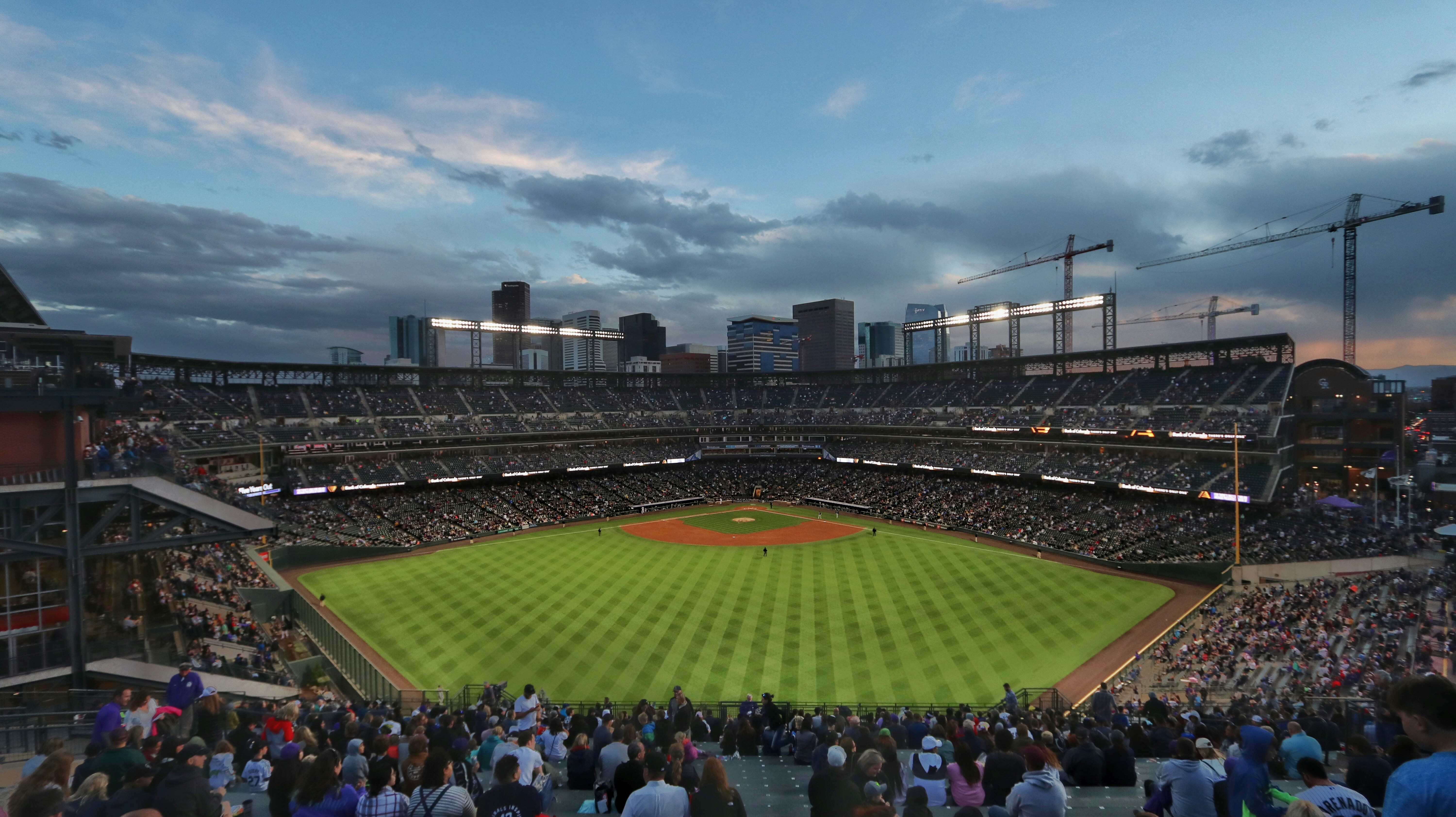
.gtr-container-7f8g9h { font-family: Verdana, Helvetica, "Times New Roman", Arial, sans-serif; font-size: 14px; line-height: 1.6; color: #333; padding: 15px; max-width: 100%; box-sizing: border-box; overflow-wrap: break-word; word-break: normal; } .gtr-container-7f8g9h p { margin-bottom: 1em; text-align: left !important; } .gtr-container-7f8g9h .gtr-heading { font-size: 18px; font-weight: bold; color: #222; margin-top: 1.5em; margin-bottom: 0.8em; text-align: left !important; } .gtr-container-7f8g9h ul { list-style: none !important; padding: 0; margin: 0 0 1em 0; } .gtr-container-7f8g9h ul li { position: relative !important; padding-left: 20px !important; margin-bottom: 0.5em !important; text-align: left !important; list-style: none !important; } .gtr-container-7f8g9h ul li::before { content: "•" !important; position: absolute !important; left: 0 !important; color: #007bff; /* Industrial accent color */ font-size: 1.2em !important; line-height: 1.6 !important; top: 0 !important; } .gtr-container-7f8g9h .gtr-pro-tip { background-color: #f0f8ff; /* Light background for emphasis */ border-left: 4px solid #007bff; padding: 10px 15px; margin: 1.5em 0; font-style: italic; color: #555; text-align: left !important; } .gtr-container-7f8g9h .gtr-bottom-line { margin-top: 2em; padding-top: 1em; border-top: 1px solid #eee; } @media (min-width: 768px) { .gtr-container-7f8g9h { padding: 25px; max-width: 800px; /* Constrain width on larger screens */ margin: 0 auto; /* Center the component */ } .gtr-container-7f8g9h .gtr-heading { font-size: 20px; } } Ever wondered why some stadium lights just look bright, but playing under them feels… off? As someone who’s been in sports lighting for over 14 years, I get this question a lot: “How do I choose the right stadium light for my field?" Here are three tips that will help you make the right choice—and avoid common pitfalls. 1️⃣ Don’t just look at watts—check the optics High wattage doesn’t always mean good lighting. Optical design is the real game-changer: Asymmetric optics = even light across the field Less glare for players and spectators Saves energy while keeping the field bright
ดูเพิ่มเติม 
ข่าวล่าสุดของบริษัทเกี่ยวกับ เหนือกว่า lm/W: ทำไม Lux/W สำคัญกว่าในไฟส่องสว่างสนามกีฬา
2025-11-20

เหนือกว่า lm/W: ทำไม Lux/W สำคัญกว่าในไฟส่องสว่างสนามกีฬา

.gtr-container-k9m2p7 { font-family: Verdana, Helvetica, "Times New Roman", Arial, sans-serif; color: #333; line-height: 1.6; padding: 16px; box-sizing: border-box; } .gtr-container-k9m2p7 .gtr-content { max-width: 800px; margin: 0 auto; } .gtr-container-k9m2p7 p { font-size: 14px; margin-bottom: 1em; text-align: left !important; } .gtr-container-k9m2p7 .gtr-heading-level2 { font-size: 18px; font-weight: bold; margin-top: 2em; margin-bottom: 1em; color: #0056b3; text-align: left; } .gtr-container-k9m2p7 .gtr-quote { font-style: italic; font-size: 16px; margin: 2em 0; padding: 1em 1.5em; border-left: 4px solid #007bff; color: #555; text-align: left; } .gtr-container-k9m2p7 .gtr-definition-list p { margin-bottom: 0.5em; padding-left: 0; text-indent: 0; } .gtr-container-k9m2p7 .gtr-definition-list .gtr-term { font-weight: bold; color: #0056b3; } .gtr-container-k9m2p7 .gtr-list { list-style: none !important; padding-left: 0; margin-bottom: 1em; } .gtr-container-k9m2p7 .gtr-list li { position: relative; padding-left: 1.5em; margin-bottom: 0.5em; font-size: 14px; text-align: left; } .gtr-container-k9m2p7 .gtr-list li::before { content: "•" !important; position: absolute !important; left: 0 !important; color: #007bff; font-size: 1.2em; line-height: 1; } .gtr-container-k9m2p7 .gtr-shift-statement { margin: 2em 0; padding: 1em 0; border-top: 1px solid #eee; border-bottom: 1px solid #eee; } .gtr-container-k9m2p7 .gtr-shift-statement p { margin-bottom: 0.5em; display: flex; align-items: center; } .gtr-container-k9m2p7 .gtr-shift-statement .gtr-icon { font-size: 1.2em; margin-right: 0.5em; color: #007bff; } @media (min-width: 768px) { .gtr-container-k9m2p7 { padding: 32px; } .gtr-container-k9m2p7 .gtr-heading-level2 { font-size: 20px; } .gtr-container-k9m2p7 .gtr-quote { font-size: 18px; } } เมื่อประเมินโซลูชันด้านแสงสว่าง โดยเฉพาะอย่างยิ่งในอุตสาหกรรมไฟส่องสว่างสำหรับกีฬา คนส่วนใหญ่มักจะมองไปที่ตัวชี้วัดหนึ่งก่อน: ลูเมนต่อวัตต์ (lm/W) ท้ายที่สุดแล้ว ดูเหมือนสมเหตุสมผล — lm/W ที่สูงกว่าหมายถึงประสิทธิภาพการใช้พลังงานที่ดีกว่า ใช่ไหม ไม่เชิง ในขณะที่ lm/W เป็นตัวบ่งชี้ที่เป็นประโยชน์สำหรับการใช้งานไฟส่องสว่างทั่วไป อาจทำให้เข้าใจผิดอย่างร้ายแรงในการส่องสว่างสำหรับกีฬา นี่คือเหตุผล: มันไม่ได้เกี่ยวกับปริมาณแสงที่คุณผลิต — มันเกี่ยวกับแสงนั้นไปอยู่ที่ไหน ลองนึกภาพสนามกีฬาที่เต็มไปด้วยไฟส่องสว่างที่มีลูเมนสูง — แต่แสงครึ่งหนึ่งนั้นส่องขึ้นไปบนท้องฟ้า เข้าไปในสายตาของผู้ชม หรือออกไปนอกสถานที่ คุณกำลังจ่ายค่าไฟที่ไม่เป็นประโยชน์ และที่แย่กว่านั้น คุณกำลังมีส่วนร่วมในการก่อให้เกิดมลพิษทางแสงและอาจเกิดข้อร้องเรียนจากชุมชนโดยรอบ นี่คือเหตุผลที่ลูกค้าของเรารายหนึ่งเมื่อไม่นานมานี้ได้กล่าวถึงประเด็นสำคัญ: "ในการส่องสว่างสำหรับกีฬา ลักซ์ต่อวัตต์คือสิ่งที่สำคัญอย่างแท้จริง" Lux/W คืออะไร — และทำไมคุณถึงต้องใส่ใจ? Lux วัดปริมาณแสง (ลูเมน) ที่ตกลงบนพื้นผิวเป้าหมาย ดังนั้น lux ต่อวัตต์ (lux/W) จะบอกคุณว่าอุปกรณ์ของคุณส่งมอบแสงที่เป็นประโยชน์ไปยังตำแหน่งที่ต้องการอย่างมีประสิทธิภาพเพียงใด — เช่น สนามแข่งขัน กล่าวโดยสรุป: lm/W = ปริมาณแสงทั้งหมดที่คุณปล่อยออกมาต่อวัตต์ lux/W = ปริมาณแสงที่เป็นประโยชน์ที่เข้าถึงพื้นที่เป้าหมายต่อวัตต์ เมื่อประเมินการออกแบบแสงสว่าง lux/W คือมาตรวัดประสิทธิภาพและประสิทธิภาพที่แท้จริง ปัจจัยขับเคลื่อนที่แท้จริงเบื้องหลัง lux/W สูง? การออกแบบเชิงแสง ผู้ผลิตหลายรายพยายามเพิ่ม lm/W โดย: เพิ่มชิป LED มากขึ้น ใช้ LED ที่มีประสิทธิภาพสูงขึ้น แต่การเปลี่ยนแปลงเหล่านี้ไม่ได้รับประกันการกระจายแสงที่ดีขึ้น ในความเป็นจริง หากไม่มีระบบออปติคอลที่ออกแบบมาอย่างดี ลูเมนที่มากขึ้นอาจหมายถึงแสงสะท้อนที่มากขึ้นและแสงที่สูญเสียไปมากขึ้น ที่ SOGA เราเชื่อว่าการบรรลุประสิทธิภาพ lux/W สูงเริ่มต้นด้วยการควบคุมลำแสงที่แม่นยำ: เลนส์แบบอสมมาตรที่นำแสงไปยังตำแหน่งที่ต้องการอย่างแม่นยำ การควบคุมการรั่วไหลของแสงขั้นสูงเพื่อปกป้องผู้อยู่อาศัยใกล้เคียงและท้องฟ้า ออปติกแบบแยกส่วนที่ปรับให้เข้ากับรูปแบบสนามที่ไม่ซ้ำกันแต่ละแบบ ทำไมมันถึงสำคัญกว่าที่เคย เนื่องจากเมืองและสิ่งอำนวยความสะดวกด้านกีฬาเปลี่ยนไปสู่เป้าหมายด้านความยั่งยืนและกฎระเบียบด้านแสงที่รบกวนที่เข้มงวดขึ้น เราทุกคนจำเป็นต้องคิดให้ไกลกว่าเอาต์พุตลูเมนดิบ มีประโยชน์อะไรจาก 180lm/W หากไฟส่องสว่างของคุณไม่สามารถให้ lux ที่เพียงพอในสนามได้? นวัตกรรมที่แท้จริงหมายถึงการทำมากขึ้นด้วยน้อยลง — และนั่นคือคำมั่นสัญญาของการออกแบบ lux/W ที่เหมาะสมที่สุด บทสรุป ในการส่องสว่างสำหรับกีฬา ถึงเวลาที่จะเปลี่ยนการสนทนา:
ดูเพิ่มเติม